Startups Macedonia Expand Launchpad
- In Startups Macedonia's international expansion program, basicmath and 36Chambers supported 5 selected Macedonian startups in entering the Japanese and German markets from June to December 2021.
- basicmath took on Vision Dynamix, which creates 3D maps from drone video, and mentored the company through 2 sessions in June and July plus day-to-day communication.
- The sessions revealed three differences from Japan, a global strategy from day one, the popularity of engineering careers, and strong interest in other countries' cultures.
- 5
- Startups selected
- 2
- Sessions with Vision Dynamix (June–July)
- 2 million
- Population of Macedonia
What Is Expand Macedonia?
Expand Macedonia is a program run by Startups Macedonia to help startups based in Macedonia expand abroad.
Startups Macedonia carries out the following activities:
- Strengthening the startup and innovation ecosystem.
- Influencing a change of mindset by raising awareness and creating opportunities.
- Encouraging collaboration and synergy among the elements of the ecosystem.
- Promoting domestic and foreign investment.
- Bridging the gap between the startup community and policymakers.
- Building a data-driven ecosystem for growth.
- Supporting startups in expanding their business globally.
- Promoting success stories and getting them featured in the media.
- Supporting events, hackathons, demo days, conferences and boot camps.
- Warmly welcoming founders and entrepreneurs-in-residence from abroad.
- Positioning the country as a startup hub of New Europe.
In this program, basicmath and 36chambers supported startups selected from the applicants in entering the Japanese and German markets from June to December 2021. The program mainly targeted companies that already had a product and customers in their home country. We supported the 5 selected companies through mentoring and other sessions.
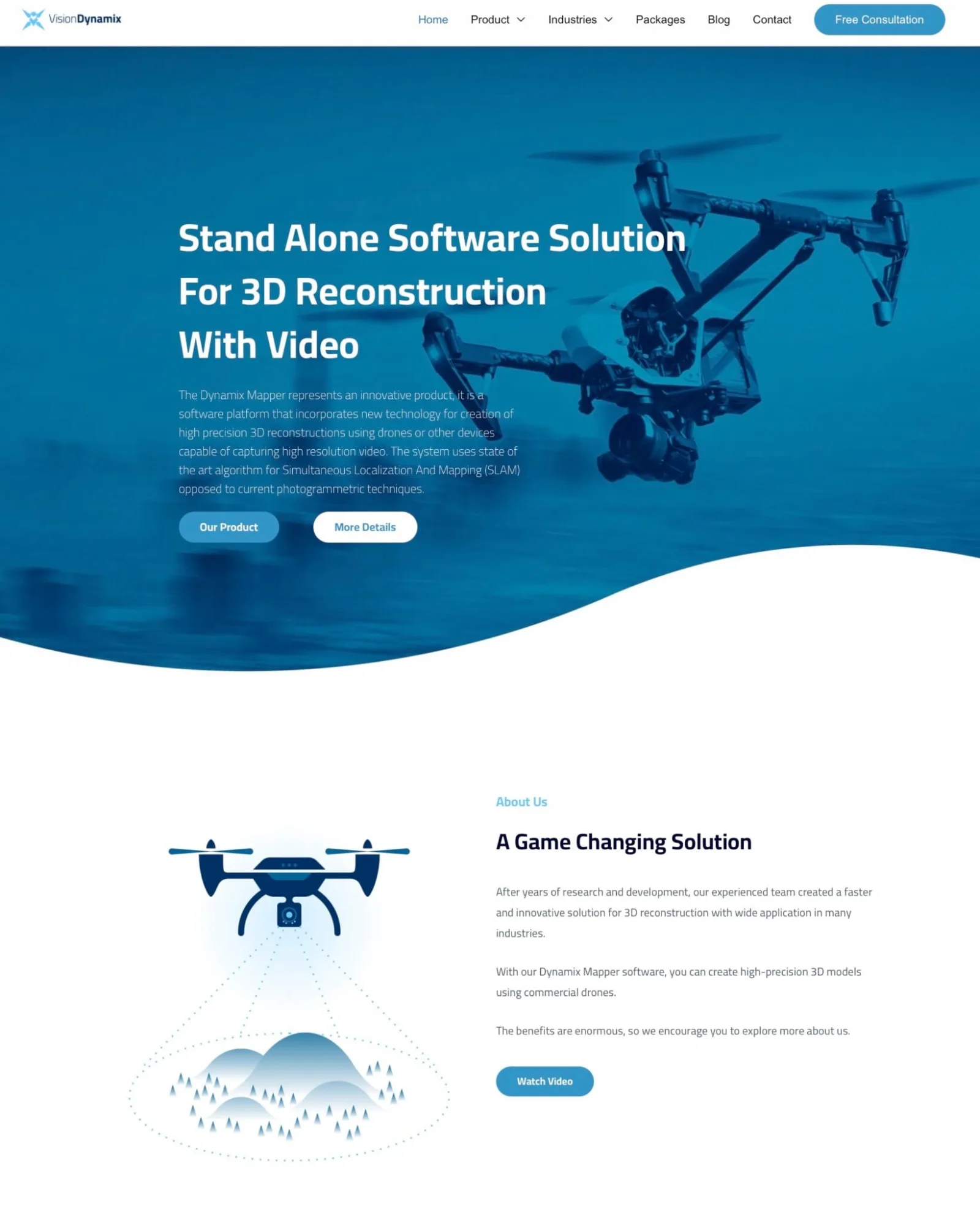
Vision Dynamix
https://www.visiondynamix.com/
Software that creates 3D maps from drone video. It analyzes data several times faster than typical products, and because it is installed software, it can be used without an internet connection.

Matryoshka
https://www.the-matryoshka.com
The developer of WICE, an ice cream made with “real” wine rather than wine flavoring. A 150ml serving contains 13.5% alcohol, so eating it feels like drinking wine.
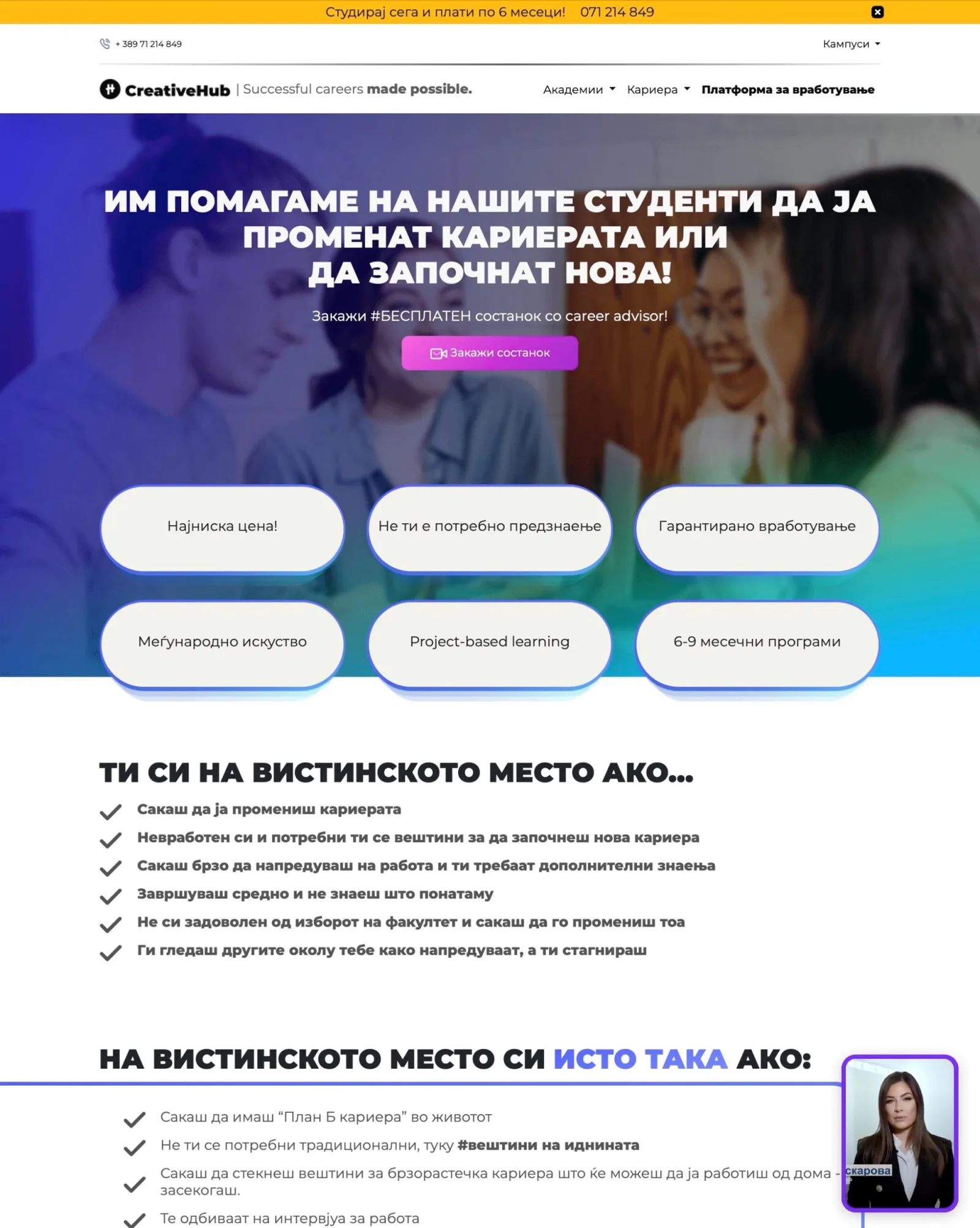
Creative Hub
Provides online courses in graphic design and digital marketing, two fields in growing demand. By partnering with many companies, it has built a service that also supports students in finding jobs after the courses.

Pro Dizajn
An app for creating mockups and visualizations with AR technology.

doXmenu
An app for restaurants that makes it easy to build an online menu and ordering system. Because it is tailored to restaurants, setting up a menu and creating QR codes for customers takes only about 30 minutes.
About the Program
The program consists of three stages. Each stage has the main goals below, and the content will be fine-tuned to the situation of each participating company.
Stage (1) – Education
- Online training in a lecture format.
- An introduction to corporate structures and business culture in Japan and Germany.
Stage (2) – Refining and Producing
- Mainly online lecture-style training, with 1-on-1 sessions also planned.
- An introduction to sales strategies based on an understanding of the Japanese market.
- Consultation on finding actual customers and localizing the product.
Stage (3) – Connection
- Finding companies in Japan and Germany that want to hold business meetings.
- Putting sales into action.
The Company basicmath Supports
After document screening and interviews with the founders, basicmath decided to support Vision Dynamix. We continue to communicate with the other companies, and this time they received support from 36Chambers for expanding into Europe.
What Is Vision Dynamix?
Vision Dynamix was founded by Dushko Murtovski, who is from Macedonia. Dushko studied robotics and systems engineering in graduate school and then worked as a software engineer for many years. Using that expertise, he developed a 3D mapping solution that is faster and easier to use. Several trial projects in Macedonia have already started using it, and sales plans are under way in Europe and North America beyond Macedonia.
Why Did basicmath Choose Vision Dynamix?
We made the decision mainly for the following reasons:
- It has technology that could give it a competitive advantage in Japan as well
- Its solution is especially valuable in Japan, a country prone to natural disasters
- Some of our own team members have knowledge of the construction industry and drone technology, which makes collaboration easier
What the Sessions Covered
In addition to a total of 2 sessions in June and July, basicmath mentors Vision Dynamix through day-to-day communication. The sessions mainly covered the topics below. We defined the most important goal of the first two sessions as “understanding the hurdles of actually entering the Japanese market, and why they exist.” Here are the main topics as examples.
Session 1
- Basics of Japanese history
- How today’s society was formed, and why Japan is said to be a hierarchical society
- Why there are few foreign companies and foreign residents in Japan
- Why rapid economic growth stopped, and why it has since been hard for global IT giants to emerge from Japan
Session 2
- Basics of the Japanese business environment
- How Japanese organizations are structured, and why processes take longer than abroad
- Key points when launching an IT service in Japan (branding, pricing and more)
- Risks of doing business in Japan (detailed support expectations, legal hurdles and more)
By teaching this content in a conversational format, we help them deepen their knowledge, while we ourselves deepen our understanding of the culture and business of Macedonia and Vision Dynamix.
Differences Between Japan and Macedonia We Noticed Through the Sessions
We have already spoken many times with Dushko and other Macedonian startup founders. Here are a few things we have noticed.
Product Development and Sales Strategy Aimed at the World from Day One
This is where we feel the biggest difference from Japan. These companies develop their products with sales in Europe, Asia and the United States in mind from the start, and some of the companies 36Chambers supports have already secured funding from several European countries. As part of its global strategy, what Vision Dynamix wants most right now is “more usage of the service and the feedback that comes from it.” Rather than earning short-term profit from the current product, its top priority is to have users in various countries and in the construction sector use it first, and then improve the product based on their feedback.
We think there are two reasons Macedonian companies can draw up a global strategy from the start, “language and culture” and “economic scale.” First, culture. English is widely spoken in Macedonia as a second language, so services are developed in English, and it is easy to travel to the rest of Europe. We can imagine that the cultural hurdles to expanding abroad are low. In Japan, by contrast, only about 5% of the population is said to speak English, which seems to make it harder to plan a global strategy.
Second, economic scale. Macedonia has a population of 2 million, about the same as Gunma Prefecture alone. Compared with Japan, we sense a much stronger incentive to target markets abroad rather than only the domestic market.
Engineering Is a Popular Career
In the sessions, we are often asked questions about engineers, such as “How many engineers are there in Japan?” and “What is the starting salary for engineers in Japan?” From what we hear, engineering is popular in Macedonia as a career with a future, and the average starting salary is considerably better than in other professions. In Japan, by contrast, more than half of students still enter university in the humanities and social sciences, and it is still common to take non-technical jobs. This is not a question of good or bad, but in terms of the potential for IT services to emerge from Japan, the country seems likely to remain at a disadvantage compared with other countries.
Strong Interest in the History and Culture of Other Countries
Few people in Japan would feel confident about how much they know about Macedonia, but we are surprised by how much Macedonians already know about the history of Japan and Asia. They not only have knowledge but also ask questions actively to understand even a little more. For example, we receive many specific questions such as, “Many Japanese products are expensive and good, so won’t cheap products be seen as low quality?” and “Japanese people pay attention to details, so wouldn’t a detailed video manual be better?”
Of course, this does not apply to every Macedonian or every Japanese person, but it reminds us that this kind of attitude also matters when you want to compete globally.
Why This Project Matters
The world is full of attractive products and services that few people know about. At the same time, many Japanese companies still rarely have the chance to consider adopting unique, cutting-edge solutions from abroad. Through this project, we want to strengthen our ties with startups around the world and introduce innovative services to companies in Japan.
Q&AQuestions and answers
- What is Expand Macedonia?
- Expand Macedonia is a program run by Startups Macedonia to help startups based in Macedonia expand abroad. basicmath and 36Chambers supported the selected companies in entering the Japanese and German markets from June to December 2021.
- Which startups were selected?
- Most applicants already had a product and customers in their home country. Five companies were selected, Vision Dynamix, Matryoshka, Creative Hub, Pro Dizajn and doXmenu.
- Why did basicmath choose Vision Dynamix?
- Vision Dynamix has technology that could be competitive in Japan, its solution is especially valuable in disaster-prone Japan, and basicmath has team members with knowledge of the construction industry and drone technology, which makes collaboration easier.
- How was the program structured?
- It has three stages, Education (an introduction to Japanese and German corporate structures and business culture), Refining and Producing (sales strategy and localization), and Connection (finding prospective partners and executing sales). The content is adjusted to each participating company.
- Why can Macedonian startups aim for global markets from the start?
- The article suggests two reasons, language and culture, since English is widely spoken as a second language and Europe is easy to travel to, and economic scale, since the domestic market of 2 million people is small.